Business Process Consultant Skills. Good project management and consulting skills. Business process directors and senior it managers.
PPT Consulting Skills PowerPoint Presentation, free download ID6124614 from www.slideserve.com What Is a Business?
A business is a kind of company that is set up in order to help a customer. The primary goal of any business is profit however, there are numerous other objectives that can be accomplished through the business. The final goal of business is to fulfill a customer's wants and needs. As Peter Drucker argues, this is the most accurate definition of business. The absence of clients means that a company is not able to survive.
Internal functions comprise the tasks carried out within the organization
Internal functions are actions performed within an organization for the achievement of a certain set of goals. They could include policies and procedures. To make a difference, policies and procedures must be well-thought out, implemented and communicated throughout the business. The senior management of an enterprise should be able to convey that the responsibility to prevent issues and risks is a critical issue and internal control must be top of the list. Additionally, every employee must know their roles in internal control and have the ability for communicating important information downstream.
Marketing and sales activities are examples of internal duties. Sales managers are accountable to ensure that their merchandise and services are delivered to customers on time. They must also ensure they reach all areas they are targeted. Apart from these primary processes, internal functions also include support functions that enable the internal and external business functions to operate smoothly. Managers of these functions provide details to management so that it can make decisions that are strategic.
Internal controls prevent errors ensure information security, reduce the risk of errors and protect against fraud. Without internal controls, financial report is inadequate and the operational efficiency gets affected. Additionally, they can damage the reputation of the company. Thus, it is crucial that you establish internal controls that protect the integrity of the report on financials of the organization and to deter theft and fraud.
Profit is the metric used to determine an organization's success
Profit is determined in both absolute and relative terms. In absolute terms profit is the amount of profit that is earned over a particular time. The way to define profit is the amount profit as a percentage of revenues. Profit is an important indicator for companies, since it creates an incentive to invest and take risks.
Profitability is the main goal of any business. Without it, any business is doomed to fail. Profitability can be determined by two things including expenses and income. It is the sum of money earned from the selling of a product or service. It does not include the cost of obtaining capital. It is the cost of running the business.
Profit refers to the financial gain a business makes after deducting expenses. The higher the profit margin is, the better the company's financial condition. Another important measure is the degree of satisfaction with the customer. A high level of satisfaction helps a business enhance its services and products. Mailer newsletters and polls or surveys with customers are typical ways of gathering this information.
Profit does not define success. It means different things to various businesses. For example, a street shop might be successful when it reaches its breaking point, or when it generates a profit of PS2,000 per week. Breaking even is an achievement for a business in its first year, but it is not necessarily an indicator of successful.
Business is one of the most risky activities
There are four main phases in the cycle of business. Each phase is different in its duration and affects the economy, such as jobs, inflation rates and consumer spending. These cycles are watched by central banks, and are among the major factors that determine their monetary policies , as well as their short-term interest rates. These cycles are identified by a contraction, peak and the trough. Understanding the phases of a trading cycle of business can help investors understand the current economy's conditions.
The first step of business cycle is the expansion phase. The second phase is the contraction phase. The contraction phase is when the economy hits its maximum growth rate and doesn't continue to grow. The result is that unemployment rates increase, while incomes sink. The economy also enters a bear market, as investors sell their investments. The contraction stage can be initiated by a swift rise in interest rates as well as a financial crisis or hyperinflation.
Small businesses contrast with. medium-sized companies
There are a variety of ways to categorize businesses. One of them is the number of employees. A small business is generally defined as having less of 50 employed. A mid-sized enterprise has between 50 to 1 billion in revenue. Large businesses are usually above 1 billion in revenue. Although big corporations do dominate certain industries the work and product is done by small and mid-sized companies.
The contrast between mid-sized as well as small businesses is crucial since every type of business employs different numbers of people. Although small businesses typically employ less than a hundred individuals, mid-sized businesses can employ thousands of people. Small and medium-sized companies could benefit from different organizational processes and software.
Additionally, to these distinct differences, the size of a firm can also affect the type of workplace environment it provides. A smaller business might have more flexibility, as an example through streamlining its communication and decision-making process. A smaller organization may be able to make changes more quickly than a larger business. A small business may also offer flexible work schedules as well as work-from-home options and bonuses that aren't too common.
One advantage of working with small-sized businesses is the fact that they can be more creative and targeted with their approach to sales. Furthermore, small companies are more likely to try in order to test and verify that their solutions are efficient. They also make decision more quickly and with less complexity in comparison to larger companies. Furthermore, small businesses frequently refer other small businesses to their solution if they are pleased with their solution.
Subchapter S corporations
Subchapter S corporations are closely linked to other types of corporate. The fundamental steps for incorporating companies are similar, but the primary difference is the kind of ownership. Generallyspeaking, individuals are permitted to hold shares in S corporation. There are rules about who is an investor.
If you are considering to launch a business you must talk to an expert. Tax and legal professionals can offer you expert guidance. You can also join an organization called the CorpNet Partner Program, a company network that provides business registration and compliance assistance. In referring clients, they can earn extra money.
In the case of an S corporation, you'll be able to reduce taxes. Subchapter S corporations aren't taxed at the corporate level, which means the profits you generate are not taxed twice. Additionally, S corporations don't have to pay taxes on payroll or Social Security or Medicare taxes. This means they're substantially more tax-efficient than different kinds of business entities.
However, it does have several drawbacks. One of them is the fact that shareholders must pay income tax when they receive funds. It can also create stress for companies to distribute cash more often in order to affect the development of capital. Thus, it may not be the best choice for businesses that need massive investments.
Consultants in the field of technology bridge the gap between the strategy of the organization and the it solutions that make them possible. Critical thinking is the ability to process information and make informed judgments on. Both a coach and a client need to attract clients, building sales.
Critical Thinking Is The Ability To Process Information And Make Informed Judgments On.
Empathy is perhaps one of the most important skills required for becoming a consultant. As a business process consultant, your duties are to collect information,. You can develop these skills in the.
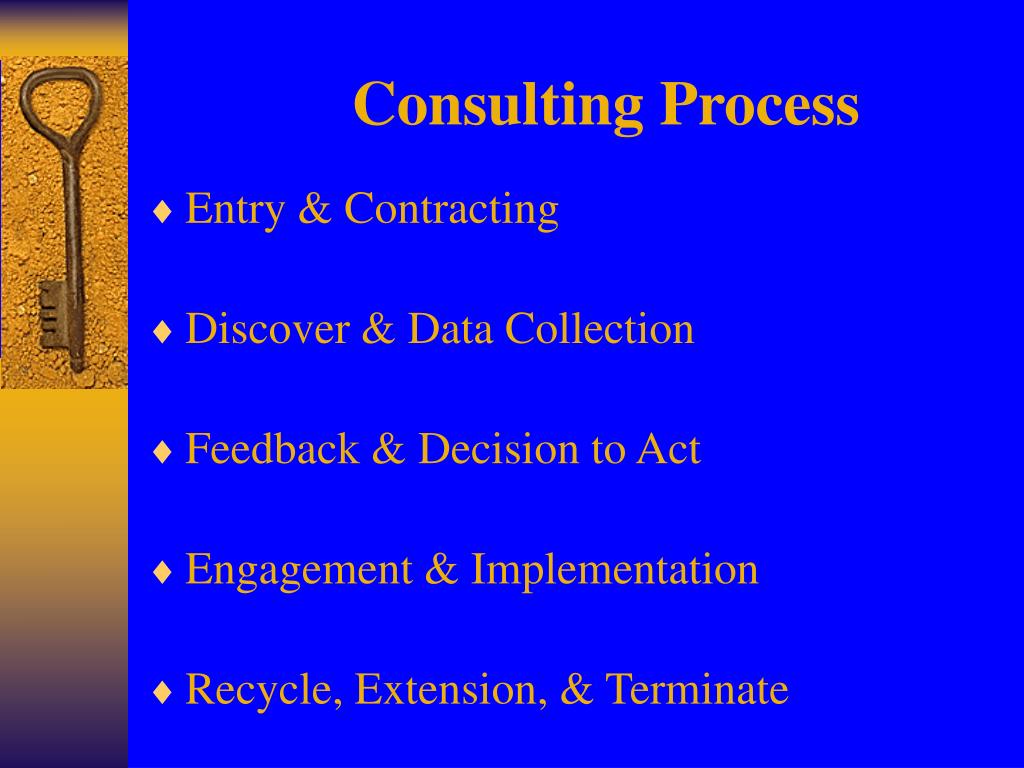
Whether It’s Done In Person Or Virtually, Business Process Consulting Usually Works As Follows:
Business process consultant resume keywords and skills (hard skills) here are the keywords and skills that appear most frequently on recent business process consultant job postings. A business process consultant analyzes and assesses various strategies and systems that a business uses. Here are some skills a management consultant may use most frequently:
Meet With Process Owners And Managers.
For example, skills like strategy, strategic planning and consulting are. If you don’t have the ability to be compassionate towards your clients,. 154 votes for business processes consultant.
Both A Coach And A Client Need To Attract Clients, Building Sales.
Business process directors and senior it managers. Experience with management of technical issues. Most business process consultants bill on an hourly rate.
Consultants In The Field Of Technology Bridge The Gap Between The Strategy Of The Organization And The It Solutions That Make Them Possible.
Good project management and consulting skills. Gartner has identified 15 business process management skills that are critical to the success of any bpm project. Business process consultants work on projects to analyze data, develop solutions, and make recommendations to improve an organization's productivity, often by refining strategy or.
Share :
Post a Comment
for "Business Process Consultant Skills"
Post a Comment for "Business Process Consultant Skills"